





Reforming the Sentinel: The DSS Under Tosin Ajayi and the Imperative of Rule of Law in National Unity
By Comrade Usman Okai Austin CCA
In the complex and often turbulent landscape of Nigeria’s national security, the Department of State Services (DSS) has historically been viewed with a mixture of awe, fear, and suspicion. For decades, its image was that of a shadowy, powerful entity operating with immense discretion, sometimes at the fringes of the very laws it was sworn to protect.
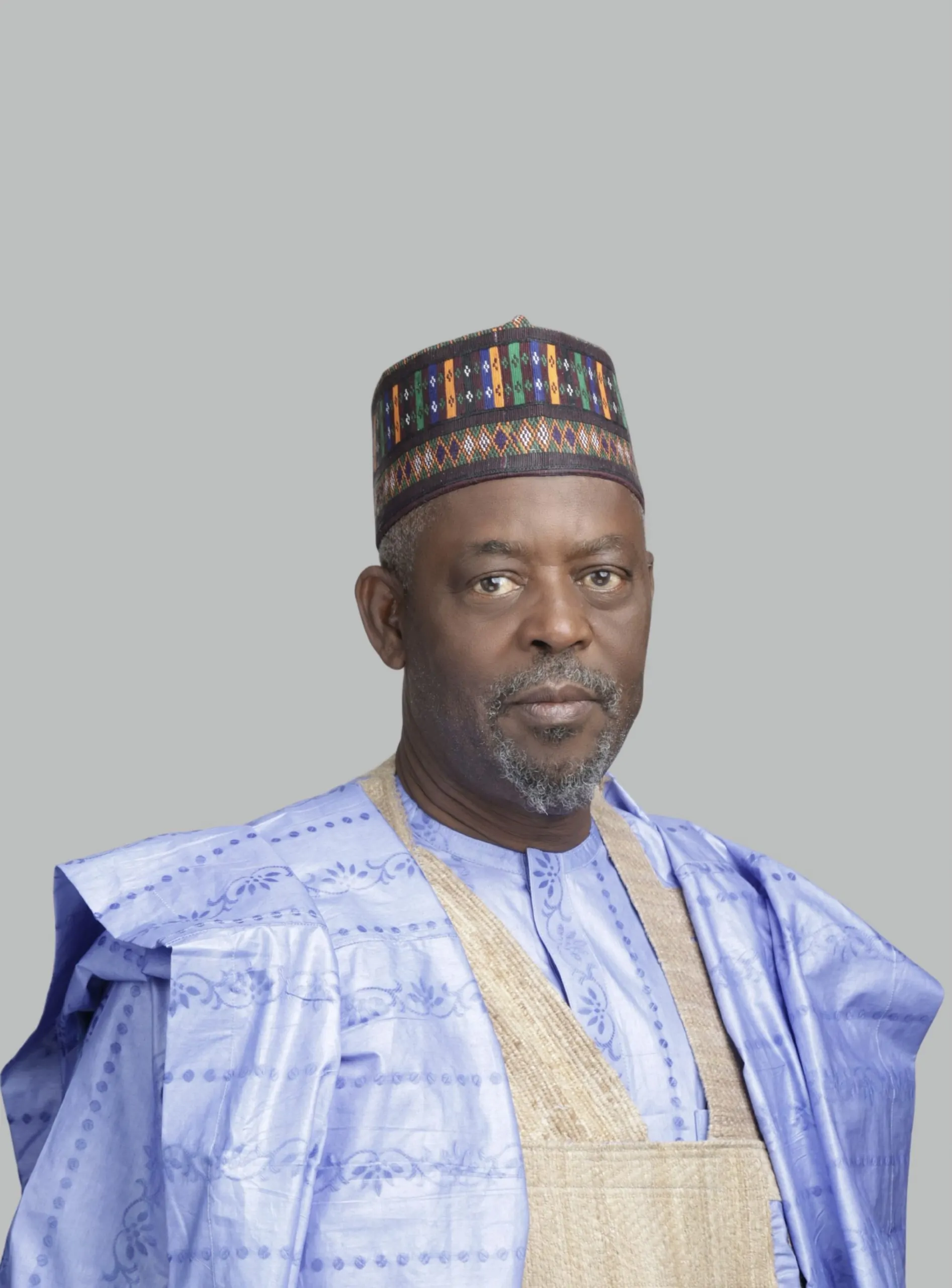
However, under the strategic leadership of Director-General Tosin Ajayi, a palpable and commendable shift is occurring—a recalibration towards professionalism, accountability, and an unwavering commitment to the rule of law. This evolution is not merely an administrative adjustment; it is a fundamental necessity for stabilizing the fragile fabric of the Nigerian state.
The primary mandate of the DSS is the preservation of internal security. Yet, a security agency cannot sustainably foster stability if its methods undermine the foundational principles of justice.
Under the current leadership, we are witnessing a deliberate institutional pivot towards ensuring strict discipline among its staff and rigorous compliance with legal statutes.
This is manifested in a renewed emphasis on training modules that ingrain constitutional rights, the principles of due process, and the ethical gathering of evidence. Officers are increasingly being reminded that they are servants of the law, not masters over it.
This new direction is a courageous initiative to review cases of wrongful detention.
The move to pardon individuals erroneously held and, most significantly, to pay them compensation is a watershed moment in Nigeria’s security history.
This action does several critical things: it delivers long-denied justice to victims and their families; it publicly acknowledges fallibility, thereby humanizing a once-impenetrable institution; and it serves as the strongest possible internal disciplinary measure.
Officers are now acutely aware that operational overreach or malicious arrests will not only be investigated but could result in significant financial and reputational costs to the service itself. This creates a powerful internal deterrent against impunity.
However, an ethical and disciplined DSS is only as effective as the intelligence it gathers and acts upon. Nigeria faces an asymmetric war against terrorism, banditry, secessionist agitations, and communal conflicts.
The battlefield is not a conventional front line but the human mind and the shadows of society. Here, the DSS’s role in powerful, precise, and proactive intelligence gathering becomes the bedrock of our technology and sophisticated human intelligence networks to identify and neutralize threats before they metastasize.
The Service is directly preventing the kind of large-scale violence that fuels ethnic and religious distrust. Accurate intelligence dismantles plots that aim to pit Nigerian against Nigerian, making the DSS a silent but crucial architect of cohesion.
Yet, this critical function is hamstrung without one indispensable ingredient: synergy. No single agency, no matter how reformed or sophisticated, can hold the entire puzzle of national security.
The mosaic of threats requires a mosaic of responses. The DSS may intercept a communication, the Military may have terrain knowledge, the Police understand local dynamics, and the NIA may have foreign intelligence. Holding any piece of this puzzle in isolation is a recipe for catastrophic failure.
This is why the current leadership’s push for inter-agency collaboration is not just a policy preference but a strategic imperative. Credible, real-time information sharing is the force multiplier that turns separate data points into actionable intelligence.
The absence of synergy creates dangerous gaps—gaps that terrorists slip through, that bandits exploit, and that threaten every citizen.
Rivalry between agencies is a luxury Nigeria can no longer afford. We must move from a culture of territorial hoarding to one of patriotic sharing.
The establishment of formal, de-politicized channels for collaboration, with a mandate from the highest levels of government, is non- conclusion, the path being charted by Tosin Ajayi at the DSS is the right one. It is a path that understands that true security and lasting unity are built not on fear, but on justice and professionalism.
By instilling discipline through accountability, complying with the rule of law, pursuing precise intelligence, and championing inter-agency synergy, the Service is transforming from a perceived instrument of oppression into a pillar of our democracy. For the sake of our nation’s unity and stability, this reform must be deepened, supported, and emulated by every other security agency in the country. The sentinel is reforming; it is in our collective national interest to ensure it succeeds.
Comrade Usman Okai Austin CCA is a pro-democracy activist and public affairs analyst.