




A Final Gift: Bruce Willis’s Brain, Donated for the Fight Against Dementia
By Yahaya Idris
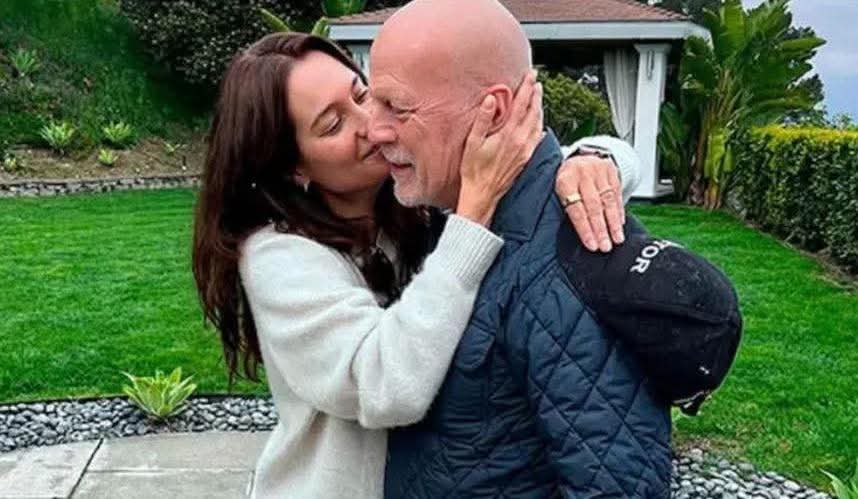
In the quiet glow of a Los Angeles sunset, Emma Heming-Willis sat with her family, the weight of an unimaginable decision pressing down like the fading light.
Bruce Willis, the action hero who dodged bullets in Die Hard, cracked wise as the wisecracking detective in Pulp Fiction, and charmed generations with his gravelly voice and unbreakable grin, had been silenced by frontotemporal dementia (FTD).
Diagnosed in 2022, the disease that stole his words, his spark, and eventually his life had forced his retirement from the screen.
Now, in a moment of profound courage, his family announced they would donate his brain to research after his passing.
It wasn’t just a gesture; it was a defiant stand against the thief that took him.
Emma’s voice trembled as she shared the news on social media, her words a raw blend of grief and resolve.
“This decision was emotionally difficult,” she wrote, “but so important for advancing research and potentially helping others with similar conditions.”
Picture the scene: five daughters, from Bruce’s blended family with ex-wife Demi Moore and his life with Emma, gathered around photos of happier times.
Tallulah, Scout, Rumer, Mabel, and Evelyn, each carrying a piece of their father’s legacy, nodded in agreement. Bruce, ever the fighter, had always embodied resilience.
Why not turn his final chapter into a weapon for others?
FTD is a brutal foe, striking the frontal and temporal lobes to erode personality, language, and movement. Unlike Alzheimer’s, it often hits younger, robbing stars like Bruce at 67.
Scientists hunger for brains like his—real-world specimens from those who’ve battled the disease—to map its chaos. European Psychologist Prof. Pawel Boski Delivers 54th Inaugural Lecture at NSUK, Advocates for Reduced Power Distance in Nigeria
Donations have fueled breakthroughs before: studies from donated tissue led to genetic discoveries linking FTD to proteins like tau and TDP-43. Bruce’s brain could unlock clues to early detection or treatments, sparing families the slow unraveling he endured.
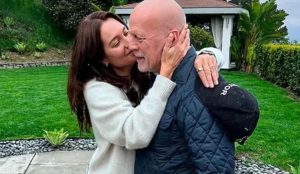
As Emma put it, “If it helps one person, it’s worth it.”The Willis family’s choice ripples beyond Hollywood. Dementia affects 55 million worldwide, with FTD alone claiming thousands yearly. Their gift spotlights brain banks like the one at UCSF or Mayo Clinic, where donated tissue powers trials for gene therapies and drugs.
It’s a story of love transcending loss: Bruce, the man who saved the Nakatomi Plaza, now poised to save minds.In the end, as Emma holds his memory close, the world waits. Bruce Willis didn’t just star in blockbusters—he became one, his brain a beacon in the darkness of dementia research.