




“Lion’s Roar: Peter Armand Boyo Unfiltered, Pan-African Powerhouse on African Cinema, Storytelling and Global Identity”
…..Pan-African actor, filmmaker, and cultural advocate reflects on African storytelling, cinema, and identity on the global stage.
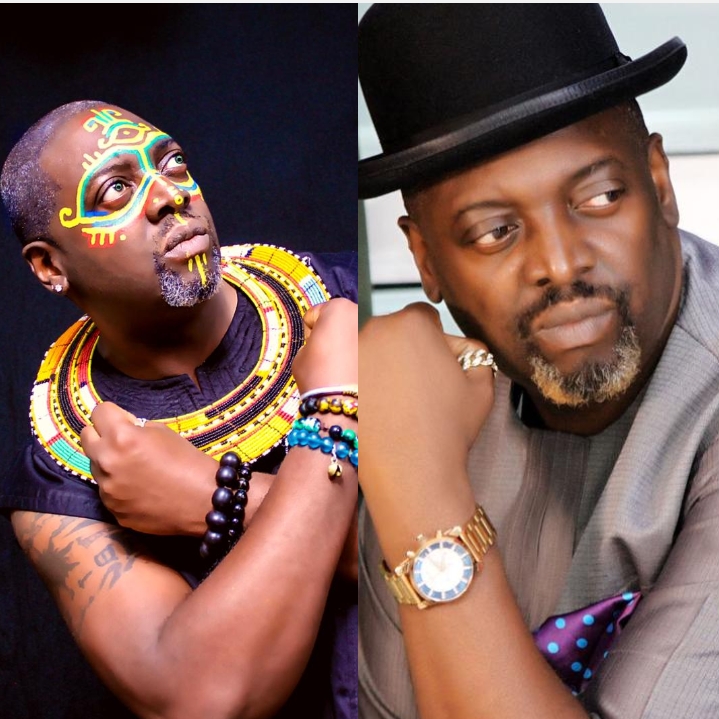
African elders warn that until the lion learns to write, every story will glorify the hunter. In this exclusive interview, Peter Armand Boyo, a Nigerian Actor, Filmmaker, Peace Ambassador, and cultural advocate, reclaims that narrative. His career spans Nollywood, Ghallywood, and Hollywood, embodying Africa’s push to own its stories.
From childhood roles in Children’s Time to his breakout adult performance in The Siege, Boyo draws on Nigerian roots and global experience to bridge tradition and the world stage.
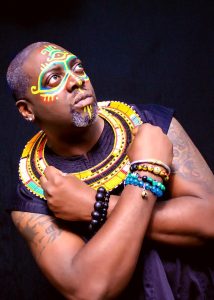
Bayo shared his career journey in an Interview with Global Times Nigeria Correspondent interview, Irodili C. Iroegbu
Irodili C. Iroegbu: Your artistic journey started in childhood. How did growing up in Nigeria fuel your passion for storytelling and performance?
Peter Boyo: My formative years spanned the UK, Nigeria, and the US, immersing me in strong characters, drama, humor, struggle, faith, and resilience. Stories permeated family talks, music, religion, streets, and daily life. Observing across cultures honed my ability to read emotions, embrace layered narratives—joy amid pain, hope beside hardship—and craft raw, honest tales. Storytelling wasn’t a choice; it was life’s rhythm.
Irodili: You’ve worked in Nigeria, Ghana, and Hollywood. How have these shaped your Pan-African identity?
Nite of a Thousand Laughs Returns to Its Roots as Asaba Hosts 30th Anniversary Edition
Peter Boyo: Nigeria rooted me in culturally rich, emotional narratives; the UK added structure and restraint; the US broadened my global lens, proving stories transcend borders. Ghana brought regional diversity. Hollywood taught production scale but underscored authenticity. This versatility lets me tell honest, heartfelt African stories that resonate universally, staying true to my roots.
Irodili: Which Nigerian traits—humor, spirituality, resilience, community, most influence your cinema?
Peter Boyo: They’re in my bones. Humor lightens struggle, demanding honest light in dark moments. Spirituality and resilience add depth, drawing me to hopeful, pushing-forward characters. Community weaves relationships into every tale. This heartbeat—humor, faith, grit, connection—drives my films, making them feel like real life.
Irodili: What early moments solidified your global film ambitions?
Peter Boyo: At six, I fainted on stage instead of faking it, yet the crowd’s energy hooked me. Family entertainment vibes led to kid-directed “shows” behind couches. Studying cinematography in New York revealed film’s power to bridge cultures, urging me to aim worldwide. These sparked fearless creation and connection, fueling my borderless drive.
Irodili: What does the world still misunderstand about African storytelling?
Peter Boyo: It’s viewed as niche or exotic, not universal—overlooking relatable themes like love, loss, resilience. African cinema is layered, bold, inventive, blending tradition and modernity. We must create work proving its emotional power and complexity.
Irodili: As the world’s second-largest film industry, how has Nollywood shaped Africa’s global cultural identity?
Peter Boyo: It showcases fast, bold, relatable creativity, exporting our humor, struggles, and worldview. This fosters pride, innovation, and a uniquely African universality, redefining the continent on the world stage.
Irodili: Among Monkey Business, The Siege, Brooklyn Heights, Tarima, which role challenged you most?
Peter Boyo: Greed and Poverty. I mastered pidgin English on set, embodied a cunning, cheap ghetto carpenter with chauvinist views—opposite my life, using physical comedy for humor amid hardship. It demanded research, psychology, and total immersion.
Irodili: Your modeling training at John Casablancas in Philadelphia at 17—how did it build your actor-filmmaker discipline?
Peter Boyo: Facing “Black doesn’t sell” barriers taught resilience and professionalism. It honed body awareness, camera presence, branding, and persistence, essentials for acting, directing, and self-belief under pressure.
Irodili: Lessons from working with Denzel Washington and Bruce Willis?
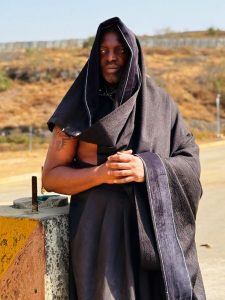
Peter Boyo: Their preparation, focus, and presence: Washington’s meticulous choices, Willis’s timing. They showed acting demands discipline, respect, and instinct—lessons for staying grounded and learning always.
Irodili: How do you balance emotional truth with production realities?
Peter Boyo: Preparation lets me stay present amid tech constraints. Filmmaking insight helps integrate lighting and angles without diluting humanity. It’s respecting craft while prioritizing authentic emotion.
Irodili: As Peace Ambassador, how do you leverage film and platform for peace in Africa?
Peter Boyo: Through my Derago Rainbow Chocolate Cupcakes Foundation, I’ve partnered with groups like Lydian Adikabe and Better You Initiative—delivering COVID aid, lessons, and gifts to 200+ in Lagos’ Oworonshoki. Combined with film and advocacy via Live Abundantly!, it pairs storytelling with action for empowerment.
Irodili: How does your work advance Pan-African cultural unity?
Peter Boyo: Nigeria’s legacy inspires me. My cross-border films, collaborations, and initiatives highlight shared values and diversity, fostering pride and global dialogue on Africa’s strength.
Irodili: What Nigeria-other African industry collaborations could build Pan-African cinema?
Peter Boyo: Co-productions, talent exchanges, training with Ghana, Kenya, South Africa—leveraging Nollywood’s scale. Platforms like FESTAC 2025 enable networking for unified, high-standard output.
Irodili: How can African filmmakers dismantle global stereotypes?
Peter Boyo: Produce authentic, quality stories consistently; collaborate continent-wide. FESTAC 2025-style events showcase depth, humor, innovation—proving our universality.
Irodili: What does Pan-African cultural activism mean to you?
Peter Boyo: Celebrating and protecting African creativity on our terms, via film, fashion (Anjoreen Couture, Elbryt Apparel, Douglas & Briggs), FESTAC ambassadorship. It’s action: mentorship, visibility, unity.
Irodili: How has your foundation shaped your creativity and leadership?
Peter Boyo: Engaging kids via Awesome State grounds me in impact. It infuses purpose, empathy, and service into stories and leadership.
Irodili: Opportunities for African youth in the creative economy?
Peter Boyo: Digital tools enable ownership of content and IP. Mentorship turns talent into global careers in film, music, tech—staying disciplined and rooted.
Irodili: Policies for governments to boost creative industries?
Peter Boyo: Recognize them economically: funding, tax incentives, IP protection, hubs, practitioner input. This creates jobs and global clout.
Irodili: Advice for aspiring African creatives?
Peter Boyo: Master craft and business with discipline. Be bold, patient, resilient—prioritize impact and identity over trends.
Irodili: Dr. Jamezany James’ impact on Nollywood diplomacy?
Peter Boyo: He elevates it via representation and bridges. Personally, our shared Pan-African vision strengthens the ecosystem.
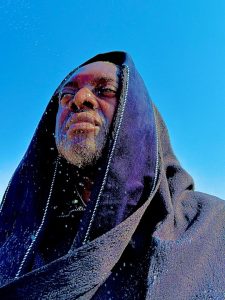
Irodili: Your other ventures and their cultural role?
Peter Boyo: Filmmaking, coaching (NYSC SAED), FESTAC advocacy, fashion, philanthropy—all build skills, visibility, and sustainability for African creativity.Irodili: Which films brought your limelight?
Peter Boyo: Children’s Time (childhood); The Siege (adult).