





When Leadership Leaves Footprints: The Enduring Legacy of FGYB in Kogi Central
By Prince Muhammed Otaiki
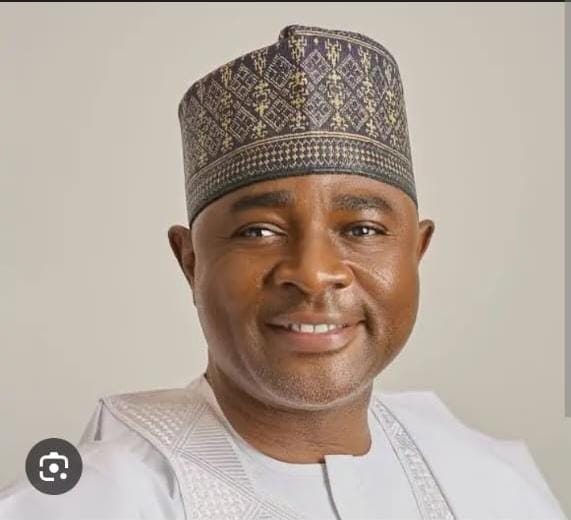
His Excellency Alhaji Yahaya Adoza Bello, CON, the immediate past Governor of Kogi State, stands as one of the most transformative figures in the state’s political history. His eight-year tenure, marked by bold decisions and unwavering commitment, continues to dominate discussions on governance and development.
From the bustling markets of Okene to the quiet villages of Ebiraland, Bello’s name evokes memories of progress and promise.
In Kogi Central, his leadership transcended mere politics, becoming synonymous with visible change. Communities that once grappled with neglect now point to roads, schools, and hospitals as testaments to his vision.
This footprint has made FGYB—his popular moniker, a rallying cry in local conversations, especially as the region eyes future leadership.Bello’s rise was no accident; it stemmed from resilience forged in the crucible of Kogi’s diverse challenges.
Before entering the governorship race, he built a reputation in private business, channeling resources into youth empowerment programs. These early efforts connected him directly to the aspirations of ordinary Kogites, laying the groundwork for his meteoric ascent.
His 2015 election signaled a seismic generational shift, ushering in youthful vigor to a state weary of recycled leadership. Far from a mere power transition, it ignited public enthusiasm, with voters embracing a fresh blueprint for participation.
Bello’s victory in Kogi Central, a pivotal senatorial district, underscored the people’s hunger for innovative governance.
Education topped Bello’s priority list, addressing decades of decay in Kogi’s learning ecosystem. Massive investments poured into renovating dilapidated schools, constructing thousands of classrooms, and recruiting qualified teachers.
These reforms boosted enrollment rates, turning education from a privilege into a right for many families.
The creation of new tertiary institutions, like the Confluence University of Science and Technology, brought higher education closer to home.
Students in Ebiraland no longer faced the trek to distant cities, easing financial burdens on parents. Community leaders hailed this as a game-changer, fostering pride and long-term human capital development.
Healthcare transformations mirrored this proactive stance, with upgrades to general hospitals and primary health centers across the state. Modern equipment, specialized units, and mobile clinics reached remote areas, saving lives in underserved Kogi Central outposts.
While national hurdles persist, Bello’s targeted interventions showcased a government unafraid of bold action.
These health initiatives reduced maternal mortality and improved immunization coverage, earning gratitude from women and elders. Outreach programs vaccinated thousands, bridging gaps that previous administrations overlooked.
In Ebiraland, clinics once shadows of their potential now stand as beacons of accessible care.
Infrastructure emerged as the most tangible hallmark of Bello’s era, revolutionizing connectivity in Kogi State.
Dual carriageways, bridges, and rural roads linked isolated communities, spurring trade from Lokoja to Ajaokuta. Kogi Central benefited immensely, with projects like the Okene-Abuja highway upgrade slashing travel times and boosting commerce.
Rehabilitation of aging roads in agricultural belts enhanced farmers’ access to markets, elevating local economies. Trucks now haul yams and grains without the old nightmares of potholes.
This modernization instilled a sense of belonging, proving Kogi Central’s centrality in the state’s growth narrative.Economically, FGYB drove reforms that swelled internally generated revenue through digitized collections and anti-corruption measures.
Agriculture flourished via tractor distributions, seed subsidies, and irrigation schemes, creating jobs for thousands. Partnerships with federal agencies amplified yields in rice and cassava, positioning Kogi as an agribusiness hub.
Transparency in budgeting and payroll audits curbed leakages, freeing funds for development. Stakeholders applauded this shift from patronage to productivity, a blueprint for sustainable wealth.
In Kogi Central, these gains translated to empowered youths venturing into agro-entrepreneurship.Bello’s crowning achievement lay in inclusive governance, shattering barriers for youth and women. Appointing young aides to key posts and funding women’s cooperatives opened floodgates of opportunity.
Kogi Central’s vibrant demographics saw reflections of themselves in cabinet rooms, igniting ambition.This youth-centric model inspired a new cadre of leaders, many now eyeing public office. Women’s representation in assemblies and boards rose, challenging stereotypes.
Bello’s mantra—that governance must mirror the governed—resonated deeply, fostering unity in a multi-ethnic region.No leader is flawless, yet Bello’s generosity remains legendary, often from his personal purse. He supported orphans, widows, and flood victims without fanfare, embodying servant leadership.
These acts humanized him, cementing bonds beyond policy wins.As 2027’s Kogi Central senatorial race looms, Bello’s legacy looms larger. Voters invoke FGYB benchmarks when scrutinizing candidates on delivery and empathy.
His footprints—etched in concrete, classrooms, and empowered lives—guide the discourse, ensuring his influence endures.Ultimately, true leadership imprints indelibly on the landscape of progress.
For Kogi Central, Yahaya Bello’s story is one of vision realized, service rendered, and hope sustained, a narrative that will echo through generations.