





Is Igbo History Being Deliberately Erased – or Just Forgotten? — Oluchi Oparah
……New Book Undermines National Cohesion, Fuels Division in Nigeria
A wave of public outrage has followed the emergence of a controversial history textbook, “Living History”, recently disowned by the Federal Government over its alleged omission of the Igbo people, one of Nigeria’s three major ethnic groups, from its content.
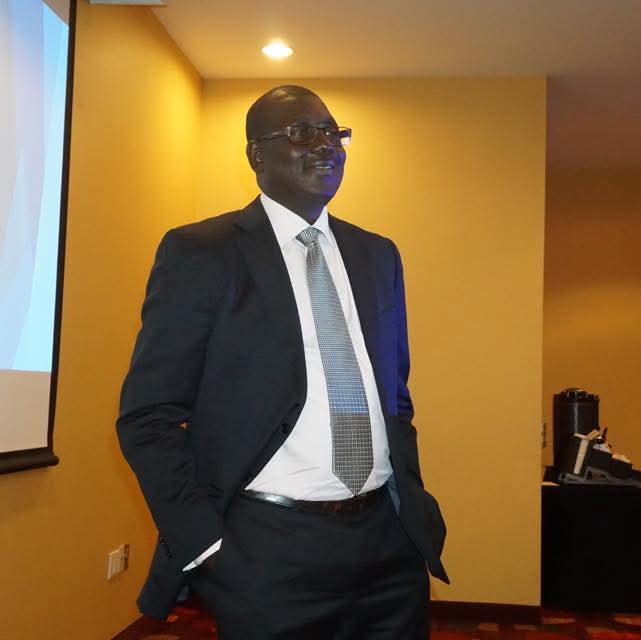
In a statement issued by Oluchi Oparah, Former National Treasurer Labour Party, 04/02/26, said this controversy comes at a critical time when History, once removed from Nigeria’s school curriculum in the 2009/2010 academic session due to declining student interest, is now being reintroduced to enable young learners to understand the nation’s past, identity, and collective journey. It is therefore deeply concerning that a book presented as Nigerian history would allegedly exclude a people so central to that history.
Although the Federal Ministry of Education has clarified that the book was never approved for use in Nigerian secondary schools but the attempt by its authors cannot be ignored or swept aside.
The exclusion of the Igbo people from a history text is not a minor oversight. Any publication that claims to document Nigeria’s history while omitting the Igbo race is either intellectually dishonest or deliberately malicious.
For decades, the Igbo people have played an undeniable role in Nigeria’s economic growth, commercial vitality, educational advancement, and national development. From entrepreneurship and industry to academia, nationalism, and nation-building, Igbo contributions are woven into the very fabric of the Nigerian state
To present Nigeria’s history without the Igbo narrative is to distort historical truth, miseducate young learners, and promote a dangerous culture of exclusion, especially at a time when history is being restored to classrooms to correct past gaps in knowledge.
While the Federal Government has rightly distanced itself from the book, the authors must be held morally accountable. *Writing history is not a casual exercise;* it is a responsibility that demands balance, inclusiveness, and respect for all constituent parts of the nation.
This issue goes beyond one book. *It raises concerns about the subtle danger of normalising the erasure of a people whose only ‘offence’ is their existence and contributions.*
Allowing such publications to circulate, approved or not poses a serious threat to national unity, as it plants seeds of resentment and historical falsehood in young minds.
As the controversy unfolds, there are growing calls for stricter scrutiny of educational materials and for authors to uphold the highest standards of truth, fairness, and professionalism when documenting Nigeria’s collective history.
*One fact remains incontestable: Nigeria’s story cannot be told without the Igbo people, and any attempt to do so must be firmly condemned in the interest of truth, justice, and national cohesion.*