







Ruto Urges Gun Owners to Surrender Weapons to Bishops or Police
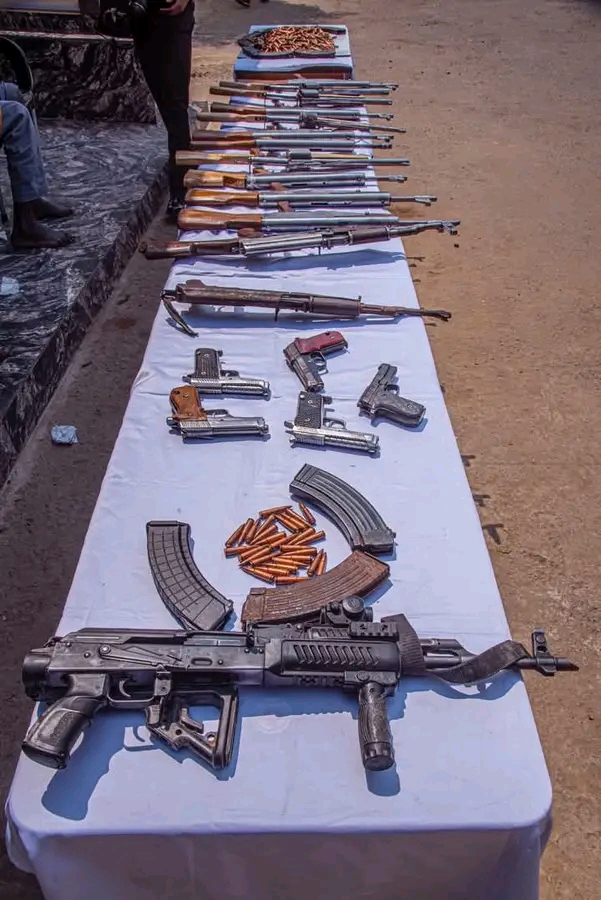
Kenyan President, William Ruto, has made a direct plea to civilians holding illegal firearms, urging them to surrender them immediately to Bishops or police stations.
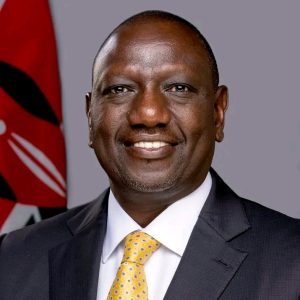
Speaking at a public rally in the Rift Valley on Saturday, Ruto declared: “I want to announce here that anyone who still has a gun and you are not the police, please hurry up. Surrender the gun to the bishop or police.”
The appeal comes amid a surge in gun-related crimes across the country.
Ruto’s comments were delivered during a church service in Eldoret, a stronghold of his political support.
Flanked by clergy and security officials, he emphasized a crackdown on proliferation of small arms, which he linked to banditry in northern Kenya and urban robberies.
“We cannot allow our communities to live in fear,” he added, according to footage verified by BBC from the event, which drew hundreds of attendees.
The president’s involvement of religious leaders marks a novel approach in Kenya’s fight against illegal guns.
Bishops, often trusted figures in rural areas, would serve as neutral drop-off points to encourage compliance without fear of immediate arrest.
Government data shows Kenya has over 600,000 unlicensed firearms in circulation, per a 2023 National Firearms Bureau report, fueling thousands of deaths annually.
This is not Ruto’s first push on the issue. In October 2024, he launched Operation Maliza Uhalifu (Finish Crime), a multi-agency effort that has seized more than 1,000 weapons and led to over 2,000 arrests.
However, critics argue the amnesty-like call risks undermining police authority, with human rights groups warning of possible reprisals against those who surrender.
Sources close to the presidency told BBC the initiative builds on successful amnesties in neighboring Uganda and Tanzania, where community leaders facilitated gun handovers. “It’s about trust,” one advisor said, speaking anonymously.
The Interior Ministry confirmed plans to publicize collection points nationwide within 48 hours.
In Nairobi’s informal settlements, residents like Mary Wanjiku, a mother of three, welcomed the move: “Guns kill our children daily; if bishops can help, why not?” she told BBC.
Yet, opposition figures, including former Deputy President Rigathi Gachagua, dismissed it as “political theater,” accusing Ruto of deflecting from economic woes.
Kenya’s gun violence epidemic has roots in historical conflicts, including post-election clashes in 2007-2008 and ongoing cattle rustling in arid regions.
The Small Arms Survey estimates Kenya loses up to 1,500 lives yearly to firearms, with 80% illegal.
Ruto’s government has intensified border patrols with Somalia and Ethiopia, major smuggling routes.
Security analysts praise the inclusivity but urge safeguards. “Involving clergy is smart culturally, but without legal protections, people won’t come forward,” said Mutuma Mathiu, a Nairobi-based expert.
The presidency has promised no prosecutions for voluntary surrenders, though legal experts note Kenya’s Firearms Act mandates licensing regardless.
Internationally, the UN has lauded Kenya’s efforts, with its regional office in Nairobi pledging technical support for tracing surrendered weapons.
Ruto’s remarks echo global disarmament campaigns, such as those in post-conflict Liberia.
As of Sunday, at least five guns had been handed in at Eldoret parishes, per police logs. The coming days will test the appeal’s impact.
With elections looming in 2027, Ruto faces pressure to deliver on security promises amid youth unrest.
Whether this grassroots strategy disarms Kenya’s streets remains to be seen, but it underscores a shift toward community-led solutions in a nation weary of violence.