
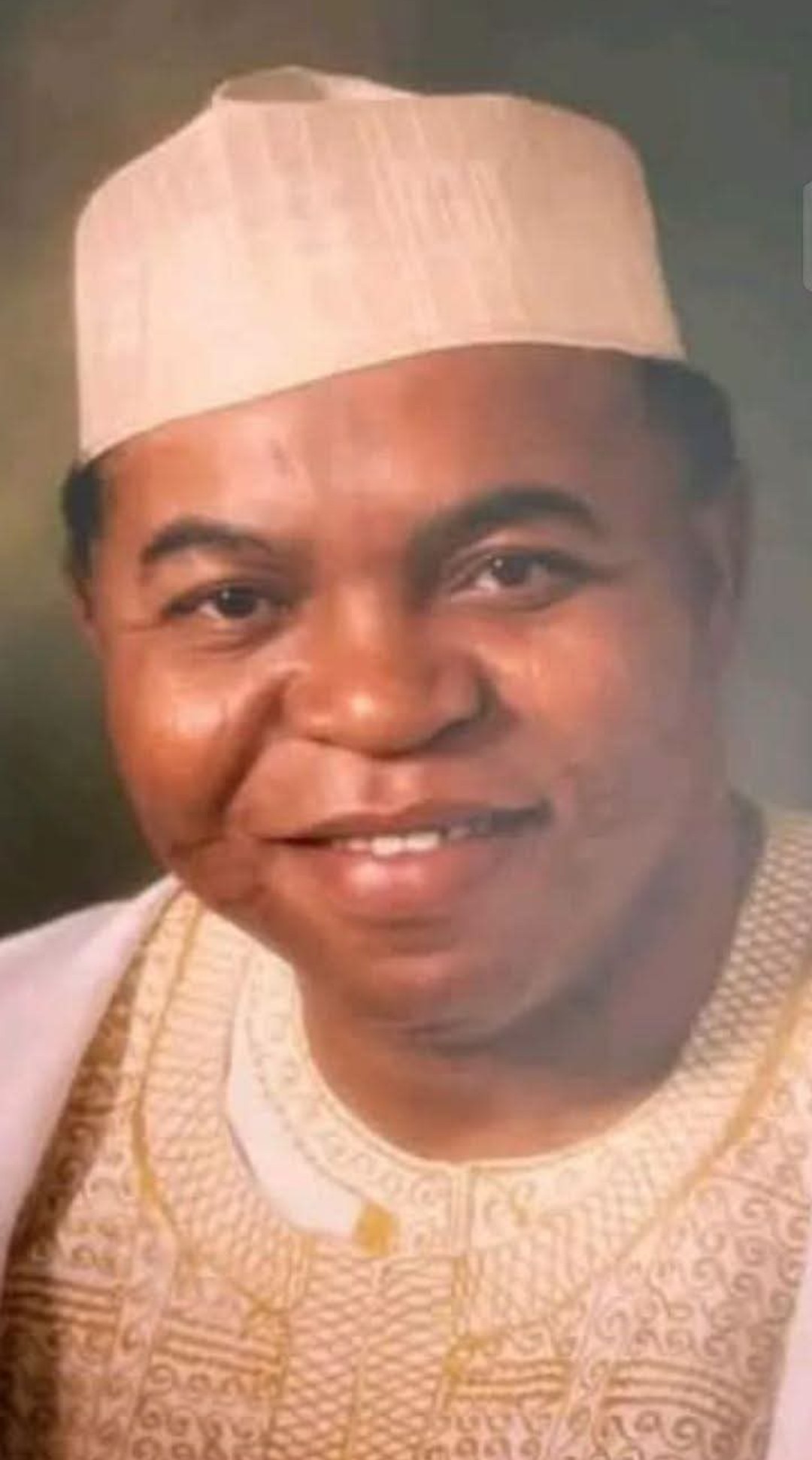
By Yahaya Idris, Lokoja
Ten years after his death, the story of Prince Abubakar Audu remains one of the most remarkable and tragic episodes in Nigeria’s electoral history.
Audu, the former governor and 2015 governorship candidate of the All Progressives Congress (APC) in Kogi State, died on November 22, 2015, at the age of 68, while the results of the governorship election he had contested the previous day were still being collated.
His death abruptly transformed an election in which he was leading into a constitutional and political crisis that eventually altered the course of Kogi State politics.
A Dramatic Election:
The Kogi State governorship election was held on November 21, 2015, with Audu of the APC challenging the incumbent governor, Captain Idris Wada of the Peoples Democratic Party (PDP), alongside other candidates.
https://globaltimesnigeria.com/2026/08/13/umo-eno-akwa-ibom-tourism-capital/
As results were announced, Audu established a substantial lead.
The APC candidate polled 240,867 votes, while Wada recorded 199,514 votes, giving Audu a margin of 41,353 votes.
For Audu and his supporters, the figures appeared to point towards a return to the Kogi State Government House.
But the election had another complication.
INEC declared the election inconclusive because results from 91 polling units across 18 local government areas had been cancelled or were not held.
The affected areas accounted for 49,953 registered voters, a figure larger than Audu’s 41,353-vote lead.
Death Before the Final Verdict
While the political drama was unfolding, tragedy struck.
Audu had cast his vote at his polling unit in his hometown of Ogbonicha, Ofu Local Government Area, on election day.
Reports at the time said he became seriously ill after voting and later died at his country home.
Contemporary reports differed over the precise medical cause of his death.
Some reports cited an undisclosed medical condition, while a family source told the Cable that he had reportedly suffered strokes after complaining of stomach cramps and feeling unwell.
The Nation also reported that Audu died only a few hours after casting his vote, although the news of his death became public on Sunday, November 22.
His death shocked the APC, his political associates, family members and supporters.
President Muhammadu Buhari described Audu as a courageous politician, a respected community leader and a devoted family man, saying the news had been received with an “enormous sense of shock.”
The Election Became More Complicated
Audu’s death created an unprecedented electoral dilemma.
He was the candidate who had secured the highest number of votes in the inconclusive election, but he was no longer alive to participate in the supplementary process.
INEC subsequently asked the APC to present another candidate and fixed December 5, 2015, for supplementary voting in the affected polling units.
The APC eventually replaced Audu with Yahaya Bello, who had been the first runner-up in the party’s governorship primary.
The supplementary election proceeded, and Bello ultimately emerged as the APC candidate who won the completed contest and was declared governor-elect.
Thus, an election that appeared to be heading towards Audu’s return to power ended with another politician occupying the seat he had sought to reclaim.
A Former Governor With a Political Legacy
Prince Abubakar Audu was not a newcomer to Kogi politics.
Born on October 27, 1947, Audu became the first elected governor of Kogi State and served as governor during two separate periods.
He remained one of the most influential political figures in the state and was widely regarded as a major force in Kogi’s political development.
The Kogi State Government has also credited him with establishing or supporting several major institutions and public structures, including Radio Kogi, Prince Abubakar Audu University, Anyigba, and Kogi State Polytechnic, Lokoja.
His political influence extended beyond his immediate constituency, while his hometown of Ogbonicha remained a major centre of his political and traditional influence.
Final Journey
Audu was buried on November 23, 2015, at his hometown of Ogbonicha in Ofu Local Government Area of Kogi State.
His burial attracted political leaders, members of the APC, traditional figures, business people, relatives, friends and sympathisers from across the country.
Kogi State was declared to be in mourning as residents came to terms with the sudden death of a politician who, only days earlier, had been campaigning to return to the state’s highest political office.
A Death That Changed Kogi Politics
Audu’s death did more than end the political career of a former governor. It changed the trajectory of the 2015 Kogi governorship election.
The contest became one of the most unusual elections in Nigeria’s history: the leading candidate died after voting, the election was declared inconclusive, his party replaced him, and the eventual APC candidate, Yahaya Bello, went on to win.
The episode also generated extensive legal and political debate about what should happen when a leading candidate dies before an election is concluded.
Years later, Audu’s death remains closely associated with the debate over inconclusive elections and the legal complications that can arise when a candidate dies during an electoral process.
Ten Years On
In 2025, the Kogi State Government marked the 10th anniversary of Audu’s passing with a special prayer and commemorative activities.
Governor Usman Ododo described Audu as an influential Islamic leader and the first executive governor of Kogi State, while noting that some of the institutions and infrastructure associated with his administration continued to serve the people.
For many people in Kogi, however, the memory of Audu remains tied to November 2015 — a moment when political victory appeared within reach before death intervened.
He had voted in the election.
He had taken the lead in the results.
But before the final verdict could be delivered, Prince Abubakar Audu was gone.
His death turned an ordinary governorship contest into one of the most extraordinary chapters in Nigeria’s democratic history.