
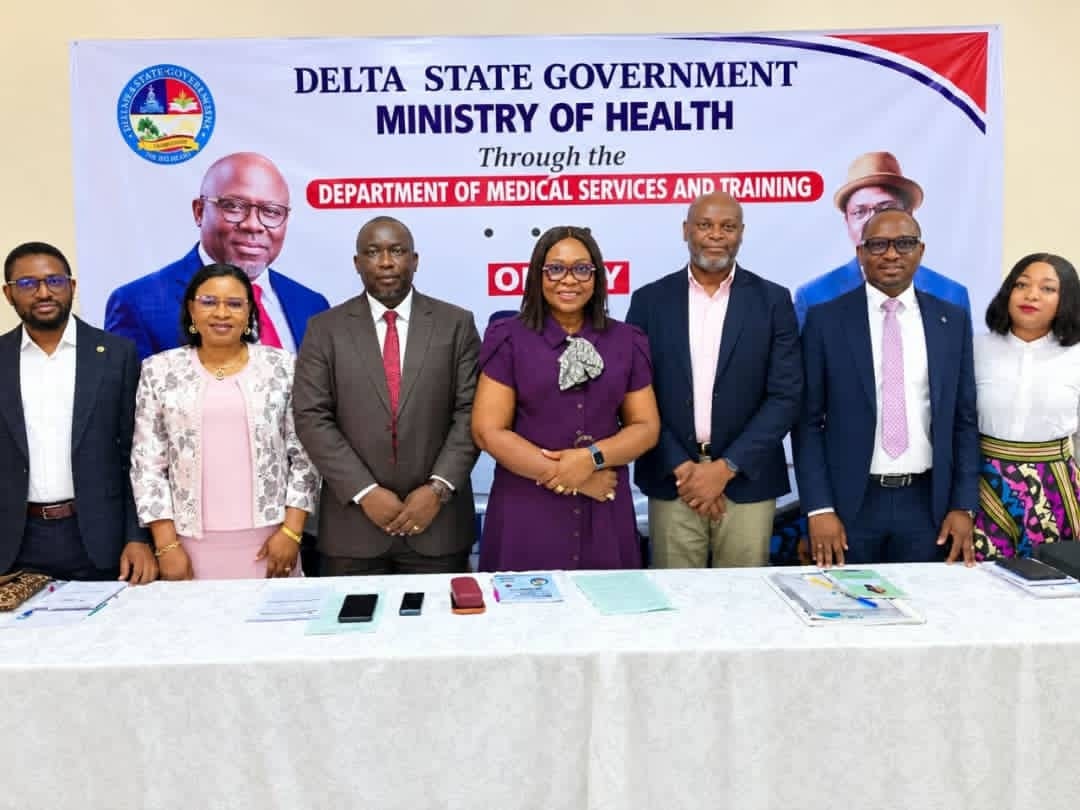
The Delta State Government has trained more than 50 medical doctors in cancer care, early detection and referral procedures ahead of the planned introduction of advanced oncology services at the Osubi Specialist Hospital.
The initiative is part of the state government’s efforts to strengthen cancer care, improve early diagnosis and reduce the need for residents to travel outside Delta State for specialised medical treatment.
The one-day capacity-building programme, organised by the Department of Medical Services and Training in the State Ministry of Health, was held on Wednesday at the Prof. Chike Edozien Secretariat in Asaba.
Speaking at the programme, the Commissioner for Health, Dr. Joseph Onojaeme, said the training was designed to equip frontline doctors with the skills required to recognise cancer symptoms, conduct appropriate initial assessments and refer suspected cases promptly to specialists.
Onojaeme, who was represented by the ministry’s Permanent Secretary, Dr. Gloria Ferife, said the administration of Governor Sheriff Oborevwori was investing in specialised healthcare infrastructure and human resources to improve access to quality medical services across the state.
He explained that the Osubi Specialist Hospital, currently under construction, would provide advanced healthcare services, including state-of-the-art oncology facilities, bringing specialised cancer treatment closer to residents and easing the burden of seeking care outside Delta.
The commissioner also disclosed that the government was investing in modern medical equipment, revitalising primary healthcare centres and strengthening the state’s health workforce.
He added that approval had been granted for the recruitment of more than 700 health workers to improve healthcare delivery across Delta State.
According to him, the approval of the tax-free MORE Specialist Allowance for doctors was another measure aimed at attracting, motivating and retaining medical professionals within the state’s healthcare system.
Onojaeme urged the participating doctors to strengthen their knowledge of cancer warning signs, ensure timely referrals and maintain comprehensive clinical records to support accurate diagnosis and effective treatment.
He stressed that investments in specialised hospitals must be complemented by an efficient referral system to ensure patients receive appropriate medical attention without avoidable delays.
Early Detection Critical to Cancer Treatment
Earlier, the Director of Medical Services and Training, Dr. Uwomano Oghounu, said early detection, accurate diagnosis and prompt referral were essential to improving cancer treatment outcomes.
He explained that the training was designed to provide doctors with the knowledge and practical skills needed to identify suspected cancer cases, make informed clinical decisions and refer patients to the appropriate specialists.
Oghounu also highlighted the importance of proper medical documentation, effective communication among healthcare professionals and continuity of care.
He urged participants to apply the knowledge and skills acquired during the programme in their daily clinical practice to improve patient outcomes.
A Consultant Radiologist at the Asaba Specialist Hospital, Dr. Daniel Isoje, commended the initiative and encouraged medical practitioners across the state to familiarise themselves with the planned oncology services and the referral procedures for accessing them.
Isoje said the availability of specialised cancer treatment services within Delta State would help address some of the challenges patients face when seeking care outside their immediate communities.
The initiative highlights the importance of combining investment in specialised healthcare infrastructure with professional training and effective referral systems to improve early cancer detection and access to treatment.
With the planned introduction of oncology services at the Osubi Specialist Hospital, the state government is seeking to strengthen its capacity to provide specialised medical care closer to residents and reduce the burden associated with seeking treatment outside Delta State.