
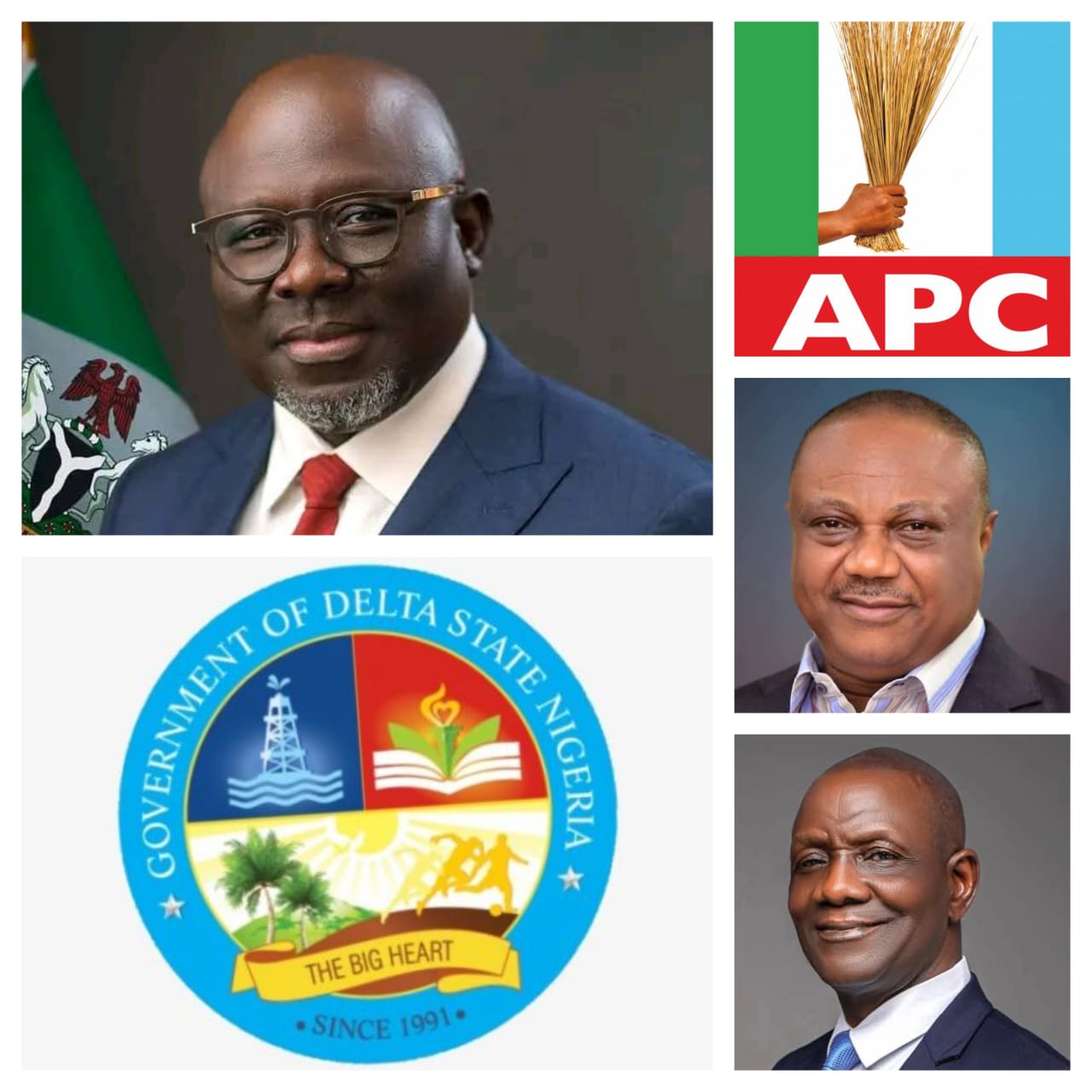
Why 2027 Is Not Ogboru’s Time: The Case for Continuity Under Governor Sheriff Oborevwori
By Fred Latimore Oghenesivbe, Esq.
As Delta State gradually prepares for the 2027 governorship election, the political conversation is shifting from personalities to performance. Across democratic societies, elections are ultimately determined by the quality of leadership, the credibility of governance, and the confidence citizens have in those seeking public office. For Deltans, the central question is no longer who desires to govern, but who has demonstrated the capacity to deliver development, preserve stability and position the state for sustained prosperity.
Against this backdrop, supporters of Governor Sheriff Oborevwori argue that continuity represents the strongest option for consolidating the gains already recorded under his administration.
Governance Beyond Political Ambition
Political ambition remains a legitimate feature of democracy. Every qualified citizen has the constitutional right to seek elective office. Chief Great Ogboru has undoubtedly played a significant role in Delta State’s political evolution. His repeated participation in governorship contests has earned him recognition as one of the state’s enduring political figures.
However, democratic leadership is measured not merely by persistence or political longevity. It is evaluated through vision, competence, measurable achievements and the ability to provide solutions to contemporary governance challenges.
As the 2027 election approaches, voters are expected to assess competing candidates based on their records, policy direction and capacity to improve the lives of ordinary citizens.
The MORE Agenda as a Governance Blueprint
Governor Sheriff Oborevwori assumed office with the MORE Agenda—Meaningful Development, Opportunities for All, Realistic Reforms and Enhanced Peace and Security—as the guiding framework of his administration. The agenda seeks to combine infrastructure expansion with institutional reforms, economic growth, improved public services and inclusive governance.
Supporters maintain that the administration’s strongest campaign message ahead of 2027 will be its record of implementation rather than political promises.
Infrastructure Driving Economic Growth
Infrastructure development has emerged as one of the defining features of the Oborevwori administration.
Road construction, bridge projects, flyovers, urban renewal initiatives and improved connectivity across communities have become central to the government’s development strategy.
Beyond physical construction, these projects are viewed as economic investments designed to reduce transportation costs, facilitate commerce, improve access to rural communities and attract private-sector investment.
Supporters argue that modern infrastructure remains one of the most effective catalysts for long-term economic development.
Strengthening Delta’s Economy
Delta State continues to maintain its strategic importance within Nigeria’s economy through its oil and gas resources, agricultural potential, maritime activities, commercial opportunities and skilled workforce.
Government officials have consistently highlighted the state’s strong economic performance, attributing recent growth to strategic investments, infrastructure expansion and policies aimed at encouraging business confidence.
The administration’s supporters believe these developments provide evidence of prudent economic management and sustainable planning.
Recognition for Good Governance
Another point frequently cited by advocates of continuity is external recognition of Delta State’s governance performance.
The state’s ranking as one of Nigeria’s leading performers in governance assessments, including its second-place position in the 2025 CIAPS Governance Performance Index, has been presented as evidence of improvements in public administration, service delivery and institutional effectiveness.
Supporters argue that such independent evaluations reinforce public confidence in the administration’s governance model.
Peace, Inclusion and Political Stability
Delta State’s ethnic diversity requires leadership capable of promoting unity while accommodating varying political and community interests.
Governor Oborevwori’s administration has consistently emphasised dialogue, consultation and stakeholder engagement as essential tools for maintaining peace and social harmony.
Stakeholders note that stability remains indispensable to development, as sustainable investment and economic growth are difficult to achieve in an environment characterised by uncertainty or conflict.
Investing in Human Capital
Supporters also point to investments in education, healthcare, youth empowerment and skills acquisition as evidence that the administration recognises development extends beyond physical infrastructure.
Human capital development remains fundamental to improving productivity, reducing unemployment and preparing younger generations for future opportunities.
The administration argues that these investments complement its broader development agenda by strengthening the state’s long-term socioeconomic foundation.
Why Continuity Matters
Advocates of Governor Oborevwori’s re-election contend that development requires consistency rather than frequent policy reversals.
Large-scale infrastructure projects, institutional reforms and economic programmes often require multiple years before their full benefits become evident.
Continuity, they argue, allows ongoing initiatives to mature, ensures policy stability and strengthens investor confidence.
The Challenge Before Opponents
As political activities intensify ahead of 2027, opposition candidates—including Chief Great Ogboru—will be expected to present compelling alternatives to the electorate.
Supporters of the incumbent believe voters will demand clear answers to critical questions:
What new policies are being proposed?
Which specific governance failures justify a change in leadership?
How would a new administration outperform one already implementing visible development projects?
These questions, they argue, will shape political debates throughout the election season.
Deltans Will Decide
Ultimately, the decision belongs to the people of Delta State.
Their verdict will likely be based on their assessment of governance, infrastructure development, economic opportunities, peace, public service delivery and overall quality of leadership.
Supporters of Governor Sheriff Oborevwori believe the administration has established a solid record that justifies continuity beyond 2027.
They argue that the election should focus not on political rotation or historical ambition, but on competence, measurable achievements and the ability to sustain development.
For them, continuity under Governor Sheriff Oborevwori offers the opportunity to consolidate ongoing projects, deepen reforms and accelerate Delta State’s journey toward greater prosperity.
About the Author
Dr. Fred Latimore Oghenesivbe, Esq. is the Director-General of the Delta State Bureau for Orientation and Communications, Governor’s Office, Asaba. He is also a member of the International Communication Association (ICA).