
By Ali Abare
Every government, at some point, must look beyond the obvious names on its appointment lists and ask a simple question: who has quietly served the party and the state without complaint, without noise, and without reward?
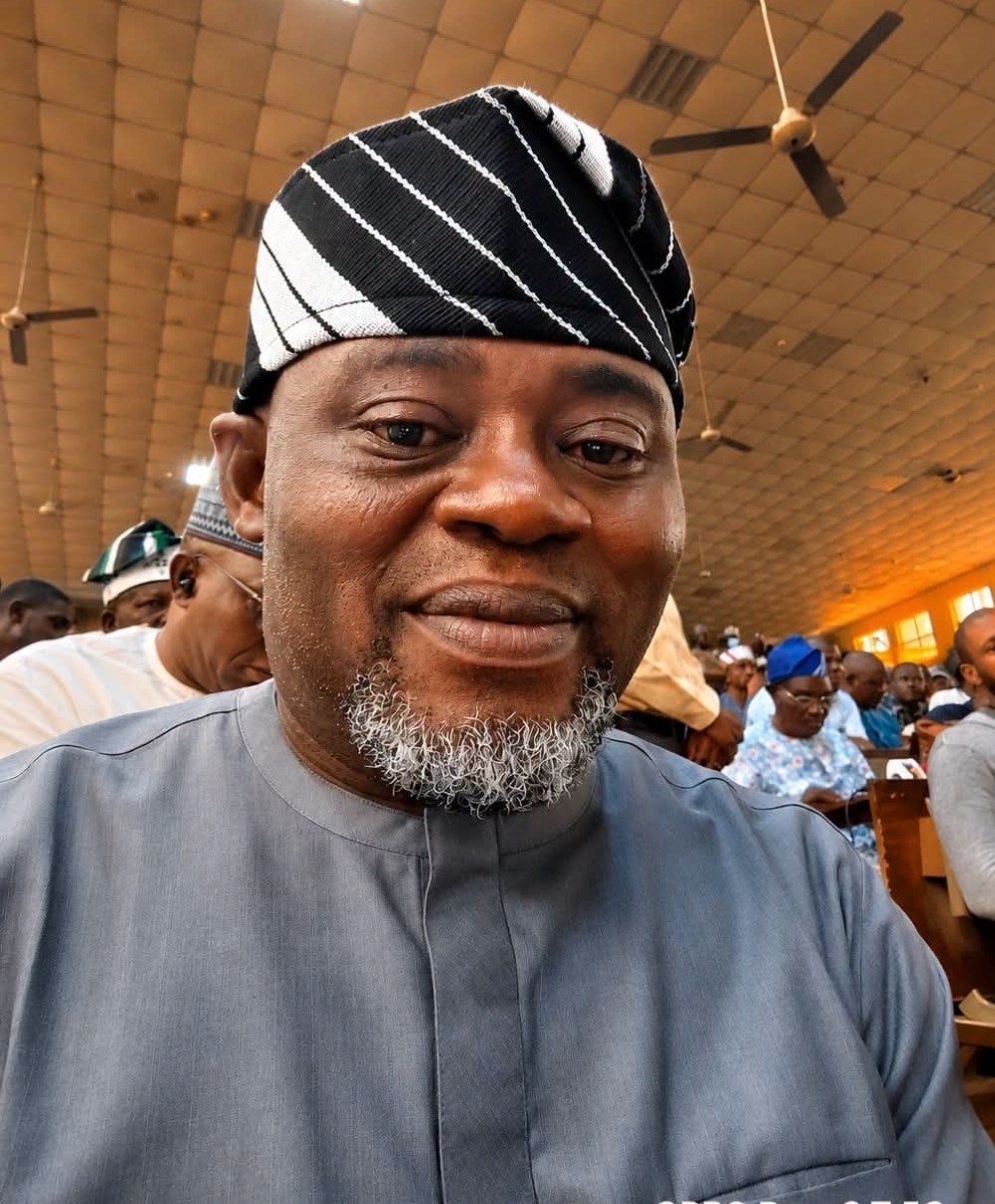
In Kogi State today, that question ought to lead to one name — David Omeiza Balogun.
Balogun is not a newcomer to public service or to the trenches of political communication. He served at the Government House during a previous administration, where he was deeply involved in projecting the image of government in a positive light.
Anyone familiar with the workings of a Government House press unit knows that this is no small task. It requires discipline, discretion, and an instinct for what strengthens public confidence in leadership and what weakens it. Balogun performed this role at a level that speaks to genuine competence, not mere political convenience.
https://globaltimesnigeria.com/2026/08/13/umo-eno-akwa-ibom-tourism-capital/
His career, however, extends well beyond that assignment. He is a broadcaster, writer and public relations expert by training and by practice, a combination that is increasingly rare in an era where many claim expertise in communications without the grounding to back it up.
He was the pioneer Head of Public Relations at the Confluence University of Science and Technology, Osara, where he helped build the public identity of an institution still finding its place in Kogi’s higher education landscape.
Today, he lectures in the Department of Mass Communication at Kogi State Polytechnic, Lokoja, shaping young minds who will one day carry forward the same profession he has served for decades.
What sets Balogun apart, though, is not merely his résumé but his versatility. He is a broadcaster with genuine analytical depth across politics, sports, economy, religion, and national and international affairs — a range that few practitioners in the state can claim.
In a media environment where specialists often struggle beyond their narrow beats, Balogun’s ability to speak with authority across such a broad spectrum of public life is a professional asset that any government would be fortunate to deploy.
Equally significant is his loyalty to the All Progressives Congress, a loyalty that has not wavered with the changing fortunes of political actors. He has remained visible at party events in Abuja and Lokoja over the years, not as a fair-weather associate but as a consistent presence within the party’s ranks.
In politics, as in life, loyalty that is only tested in season is not loyalty at all. Balogun’s has been tested across seasons.
Governor Ahmed Usman Ododo has, since assuming office, spoken repeatedly about repositioning Kogi State’s narrative and building a government that works for its people, a vision most recently captured in the state’s rebrand agenda themed around reimagining Kogi and aligning perception with reality.
That vision cannot be achieved by machinery alone. It requires people-skilled, loyal, and battle-tested people-who understand both the terrain of public communication and the political sensitivities of governance. Balogun is precisely that kind of person.
There is also a broader principle at stake here, one that extends beyond any single individual. Political appointments are not merely rewards; they are investments. When a government identifies competent hands with a demonstrated history of service and loyalty, and places them where their skills can be maximised, it is not doing that individual a favour. It is doing itself a favour.
A public relations and media professional of Balogun’s calibre, properly positioned within the machinery of government, could strengthen the administration’s ability to tell its own story, defend its policies, and engage the public with the kind of analytical depth that builds lasting confidence.
Kogi State is not short of talent. What it sometimes lacks is the deliberate will to identify and elevate that talent before it drifts elsewhere or fades from relevance. David Omeiza Balogun has spent decades building the exact skill set that governments need most in an age of information warfare and public perception battles.
It would serve the state well for those in a position to make appointments to take a closer look at what he has to offer.
In the end, government is strengthened not only by grand infrastructure and bold policy pronouncements but by the quiet competence of those who tell its story well. Balogun has told that story before. He deserves the opportunity to tell it again.
Abare, a Muck Rack journalist, writes from Lafia, Nasarawa State.