
By Yahaya Idris, Asaba
The Delta State Government is exploring the use of the state’s gas resources to expand electricity generation as part of a broader strategy to reduce dependence on the national grid.
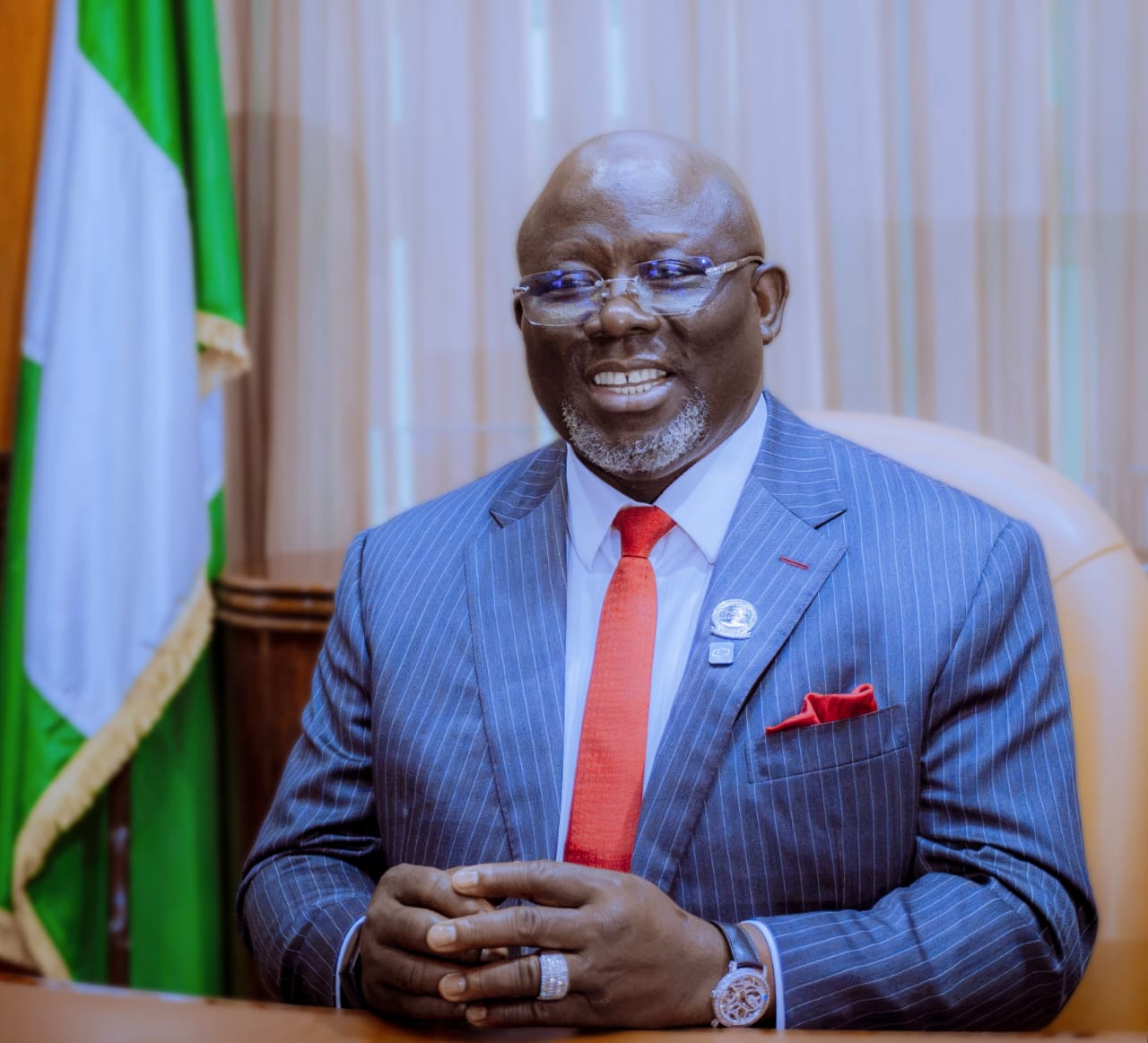
Commissioner for Works (Rural Roads) and Public Information, Mr Charles Aniagwu, made this known on Thursday during a press conference in Asaba.
Aniagwu said the government was particularly interested in exploiting opportunities around the Kwale Free Trade Zone, where gas could serve as a major feedstock for electricity generation.
According to him, investors were taken to the zone during the state’s economic summit to demonstrate the availability of gas and other opportunities that could support power-related investments.
Local Generation, Wider Electricity Supply
The commissioner explained that generating more electricity within the state would not only increase supply to Delta but could also reduce pressure on the national grid.
He pointed to the 8.5MW Independent Power Plant behind the state secretariat in Asaba as evidence of the benefits of alternative power generation.
The facility, he said, had enabled the secretariat complex to operate independently of the national grid.
Aniagwu explained that removing the secretariat’s demand from the national grid would make the energy previously consumed by the complex available to homes and other users.
Partnership for 120MW
He also revealed that Delta State had partnered with Supply Power on a project expected to generate an additional 120MW of electricity for the national grid.
The commissioner said the initiative was designed to contribute to improved power supply while supporting businesses, particularly small and medium-sized enterprises.
He said reliable electricity remained critical to economic productivity, noting that businesses could struggle to survive when they are forced to depend heavily on alternative and often expensive sources of power.it
Expanding the Grid
Beyond generation, Aniagwu said the state was also intervening in electricity distribution infrastructure.
He cited the extension of the electricity grid from Abraka towards the Ndokwa axis as an example of government intervention aimed at bringing more communities into the electricity network.
He said the government was prepared to continue supporting electrification projects because access to electricity could stimulate local businesses, create economic opportunities and contribute to reducing unemployment and idleness.
The commissioner also expressed concern over situations where communities provide transformers and other electricity infrastructure but continue to face questions about how such investments are accounted for by electricity distribution companies.
Regulation Central to Reform
Aniagwu said the state was working with the Ministry of Energy and a committee tasked with fine-tuning Delta’s energy regulatory frameworwouldn’t
He said a proposed energy commission would be expected to regulate new power producers, determine appropriate pricing and oversee distribution networks.
He added that electricity infrastructure must be carefully planned according to the peculiarities of each location.
The commissioner said the choice between overhead and underground lines, among other considerations, would require proper technical assessment.
He stressed that effective regulation would be necessary to protect residents from electrocution and other hazards while ensuring fair pricing and safeguarding electricity infrastructure.
Aniagwu said the state’s long-term goal was to establish a sustainable energy sector capable of supporting economic growth across Delta.