
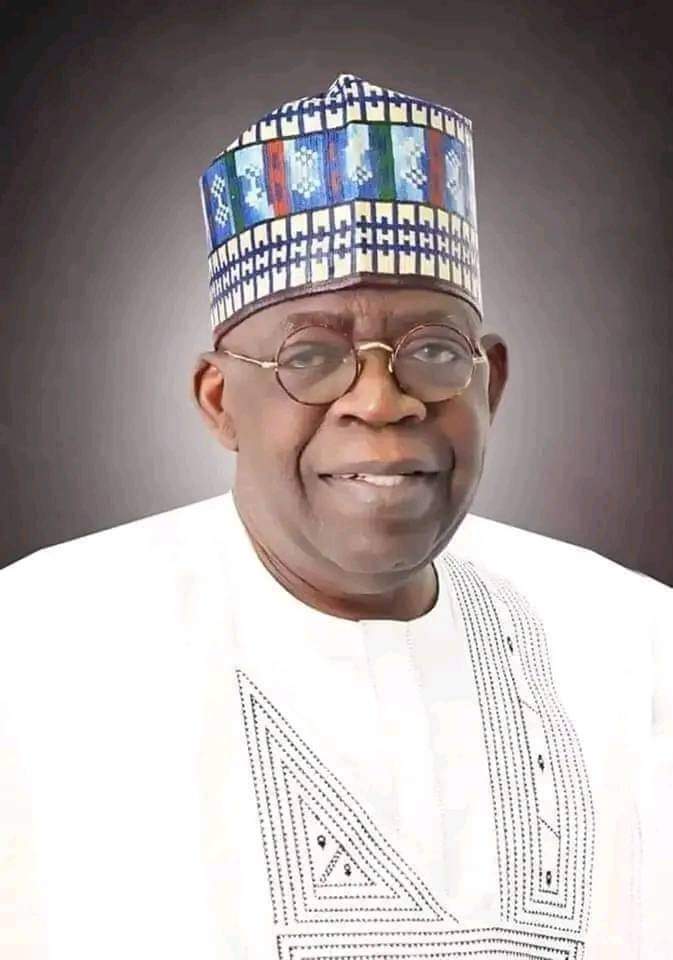
The Federal Government says it can no longer sustain electricity tariff shortfall payments while pursuing its ambition of providing reliable power to Nigerians, as the Minister of Power, Joseph Tegbe, signals a shift towards commercially driven electricity arrangements.
The Federal Government has indicated that the existing approach to financing electricity tariff shortfalls may no longer be sustainable, raising fresh questions about the future of electricity pricing, government subsidies and power supply in Nigeria.
Minister of Power Joseph Tegbe made the remarks at an energy conference organised by the Harvard Business School Association of Nigeria in Lagos on Friday, where industry experts examined the structural and financial challenges confronting the country’s electricity sector.
Tegbe argued that the government could not continue covering the gap between electricity costs and tariff revenues indefinitely while simultaneously trying to expand access to reliable electricity across the country.
His comments point to a possible shift in the government’s electricity market strategy, with greater emphasis on revenue collection, commercially viable pricing and direct contractual arrangements between electricity producers and buyers.
Revenue Crisis Deepens Electricity Sector Challenges
According to the minister, poor revenue collection, inadequate metering, accumulated debts owed to power generation companies and structural weaknesses in the electricity market remain major obstacles to reliable electricity supply.
He stressed that setting tariffs at commercially sustainable levels would achieve little if electricity suppliers could not collect payments from customers or receive the money owed to them.
“Commercially viable pricing will work where the supplier can actually collect his money and get paid. There’s no sense in commercially viable pricing if you don’t collect money,” Tegbe said.
His remarks highlight a fundamental challenge facing Nigeria’s electricity industry: the need to reconcile the cost of generating and distributing electricity with the amount collected from consumers.
Without effective metering, stronger revenue collection and timely payments across the electricity value chain, the sector faces persistent financial pressures that can undermine investment and service delivery.
FG Reviews Electricity Market Structure
The minister disclosed that the Federal Government was reviewing the electricity market structure and tariff assumptions in collaboration with the Nigerian Electricity Regulatory Commission (NERC).
The review comes amid longstanding concerns about the financial sustainability of the electricity market and the ability of power generation companies, transmission operators and distribution companies to meet their obligations.
Tegbe also questioned the continued operation of the Nigerian Bulk Electricity Trading Plc (NBET), the government-owned company that purchases electricity from generation companies and resells it to distribution companies.
He suggested that the existing arrangement had outlived its usefulness and indicated that his administration’s preferred direction would involve moving away from the current model.
“NBET ought to have been sunset about five years ago, and I’m telling you my own plan, at the end of the day, is to move from that model. That model will not help Nigeria. We can’t keep covering tariff shortfalls and think we’ll give power to every Nigerian,” the minister said.
The proposed shift could reshape how electricity transactions are conducted, although the practical details, implementation timetable and regulatory implications of any transition remain important questions.
Bilateral Agreements: A New Route to Power Supply?
Tegbe said the government was considering a greater role for bilateral electricity agreements, under which power producers could supply eligible customers or distribution companies based on mutually agreed commercial terms.
Under such arrangements, electricity buyers and suppliers negotiate contractual terms governing the purchase and sale of power, subject to applicable laws and regulatory requirements.
The approach could create opportunities for more direct commercial relationships within Nigeria’s electricity market. However, its effectiveness would depend on factors including payment security, transmission and distribution infrastructure, regulatory clarity and the ability of customers to meet contractual obligations.
A transition away from the existing bulk-trading arrangement would also require careful coordination to prevent disruptions to electricity transactions and outstanding financial obligations.
What the Proposed Shift Could Mean for Electricity Consumers
The minister’s position raises questions about the future of electricity tariffs and the government’s role in protecting consumers from rising energy costs.
If tariff shortfall payments are reduced or discontinued, the implications for consumers would depend on the specific policy adopted, the applicable tariff framework and whether targeted support mechanisms remain available for eligible households.
Commercially sustainable pricing could improve the financial position of electricity providers if accompanied by effective collection systems and reliable service. However, higher tariffs alone would not automatically guarantee uninterrupted power supply.
Consumers would also expect improvements in metering, billing transparency, service reliability and accountability from electricity distribution companies.
For households and businesses already struggling with unstable electricity supply and the cost of alternative power sources, the central concern will be whether any new market arrangement delivers measurable improvements in service.
The Bigger Question: Who Pays for Nigeria’s Electricity?
Nigeria’s electricity debate increasingly centres on how to distribute the cost of supplying power among consumers, private-sector operators and government.
Tegbe’s comments suggest that the Federal Government wants a market structure in which electricity payments more closely reflect commercial transactions rather than relying on continuous public financing to bridge tariff gaps.
Nevertheless, the success of such a transition will depend on more than ending or restructuring subsidy payments. It will require stronger institutions, credible regulation, adequate infrastructure, improved electricity collection systems and safeguards for vulnerable consumers.
For now, the minister’s remarks signal an intention to reconsider the existing electricity market model. The key test will be whether the proposed changes can improve the financial health of the sector while expanding access to affordable and reliable electricity for Nigerians.
it can no longer sustain electricity tariff shortfall payments while pursuing its ambition of providing reliable power to Nigerians, as the Minister of Power, Joseph Tegbe, signals a shift towards commercially driven electricity arrangements.
The Federal Government has indicated that the existing approach to financing electricity tariff shortfalls may no longer be sustainable, raising fresh questions about the future of electricity pricing, government subsidies and power supply in Nigeria.
Minister of Power Joseph Tegbe made the remarks at an energy conference organised by the Harvard Business School Association of Nigeria in Lagos on Friday, where industry experts examined the structural and financial challenges confronting the country’s electricity sector.
Tegbe argued that the government could not continue covering the gap between electricity costs and tariff revenues indefinitely while simultaneously trying to expand access to reliable electricity across the country.
His comments point to a possible shift in the government’s electricity market strategy, with greater emphasis on revenue collection, commercially viable pricing and direct contractual arrangements between electricity producers and buyers.
Revenue Crisis Deepens Electricity Sector Challenges
According to the minister, poor revenue collection, inadequate metering, accumulated debts owed to power generation companies and structural weaknesses in the electricity market remain major obstacles to reliable electricity supply.
He stressed that setting tariffs at commercially sustainable levels would achieve little if electricity suppliers could not collect payments from customers or receive the money owed to them.
“Commercially viable pricing will work where the supplier can actually collect his money and get paid. There’s no sense in commercially viable pricing if you don’t collect money,” Tegbe said.
His remarks highlight a fundamental challenge facing Nigeria’s electricity industry: the need to reconcile the cost of generating and distributing electricity with the amount collected from consumers.
Without effective metering, stronger revenue collection and timely payments across the electricity value chain, the sector faces persistent financial pressures that can undermine investment and service delivery.
FG Reviews Electricity Market Structure
The minister disclosed that the Federal Government was reviewing the electricity market structure and tariff assumptions in collaboration with the Nigerian Electricity Regulatory Commission (NERC).
The review comes amid longstanding concerns about the financial sustainability of the electricity market and the ability of power generation companies, transmission operators and distribution companies to meet their obligations.
Tegbe also questioned the continued operation of the Nigerian Bulk Electricity Trading Plc (NBET), the government-owned company that purchases electricity from generation companies and resells it to distribution companies.
He suggested that the existing arrangement had outlived its usefulness and indicated that his administration’s preferred direction would involve moving away from the current model.
“NBET ought to have been sunset about five years ago, and I’m telling you my own plan, at the end of the day, is to move from that model. That model will not help Nigeria. We can’t keep covering tariff shortfalls and think we’ll give power to every Nigerian,” the minister said.he
The proposed shift could reshape how electricity transactions are conducted, although the practical details, implementation timetable and regulatory implications of any transition remain important questions.
Bilateral Agreements: A New Route to Power Supply?
Tegbe said the government was considering a greater role for bilateral electricity agreements, under which power producers could supply eligible customers or distribution companies based on mutually agreed commercial terms.
Under such arrangements, electricity buyers and suppliers negotiate contractual terms governing the purchase and sale of power, subject to applicable laws and regulatory requirements.
The approach could create opportunities for more direct commercial relationships within Nigeria’s electricity market. However, its effectiveness would depend on factors including payment security, transmission and distribution infrastructure, regulatory clarity and the ability of customers to meet contractual obligations.
A transition away from the existing bulk-trading arrangement would also require careful coordination to prevent disruptions to electricity transactions and outstanding financial obligations.
What the Proposed Shift Could Mean for Electricity Consumers
The minister’s position raises questions about the future of electricity tariffs and the government’s role in protecting consumers from rising energy costs.
If tariff shortfall payments are reduced or discontinued, the implications for consumers would depend on the specific policy adopted, the applicable tariff framework and whether targeted support mechanisms remain available for eligible households.
Commercially sustainable pricing could improve the financial position of electricity providers if accompanied by effective collection systems and reliable service. However, higher tariffs alone would not automatically guarantee uninterrupted power supply.
Consumers would also expect improvements in metering, billing transparency, service reliability and accountability from electricity distribution companies.
For households and businesses already struggling with unstable electricity supply and the cost of alternative power sources, the central concern will be whether any new market arrangement delivers measurable improvements in service.
The Bigger Question: Who Pays for Nigeria’s Electricity?
Nigeria’s electricity debate increasingly centres on how to distribute the cost of supplying power among consumers, private-sector operators and government.
Tegbe’s comments suggest that the Federal Government wants a market structure in which electricity payments more closely reflect commercial transactions rather than relying on continuous public financing to bridge tariff gaps.
Nevertheless, the success of such a transition will depend on more than ending or restructuring subsidy payments. It will require stronger institutions, credible regulation, adequate infrastructure, improved electricity collection systems and safeguards for vulnerable consumers.
For now, the minister’s remarks signal an intention to reconsider the existing electricity market model. The key test will be whether the proposed changes can improve the financial health of the sector while expanding access to affordable and reliable electricity for Nigerians.