
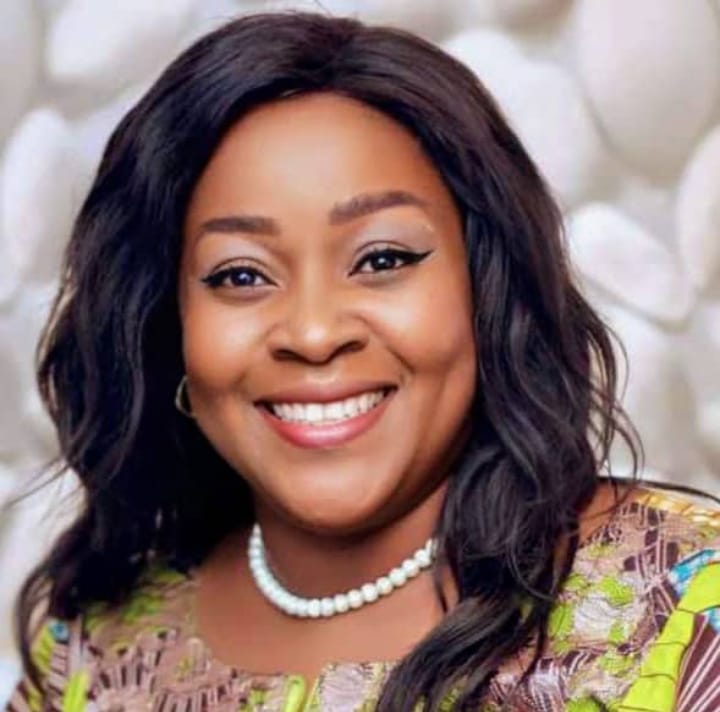
2027: Why Special Seats for Women Bill Is Crucial – Benue Aspirant, Eunice Bosua
Dr Eunice Hembafan Bosua, an aspirant for the Kwande East Constituency seat in the Benue State House of Assembly, has passionately called for stronger support towards increased women’s representation in Nigeria’s legislature, aligning her 2027 campaign drive with the ongoing push for the Special Seats Bill for Women, also known as the Reserved Seats Bill, which seeks to create 74 additional federal legislative seats, one Senate seat and one House of Representatives seat per state plus the Federal Capital Territory, and 108 more in state assemblies, all exclusively reserved for women over four electoral cycles spanning 16 years, with targets set for passage in the 2026/2027 legislative sessions to dramatically boost female representation from its current dismal level of under 5% to over 20%.
Bosua, who emphasized that this initiative is far from mere tokenism but a vital corrective measure to address the long-standing gender imbalance in governance, commended Benue State Governor Hyacinth Alia for his sensitivity to women’s roles in government by appointing them to key positions in his administration, while insisting that the bill represents a deliberate intervention to dismantle the cultural, financial, and institutional barriers that have historically sidelined women from political participation.
“Women constitute nearly half of Nigeria’s population, yet our presence in legislative chambers remains disproportionately low; this bill is an opportunity to ensure that women’s voices are not just heard but are integral to decision-making at the highest levels,” Bosua declared, dismissing critics’ concerns over implementation and fairness by arguing that such structural obstacles have held women back for decades, making the proposed legislation a necessary step to level the playing field and accelerate gender inclusion for stronger democratic representation.
Dr. Eunice Bosua Extols HRH Dr. Edna Ngozi Ubebe as a Paragon of Humanitarian Excellence
She highlighted the broader impact of female leadership, pointing to evidence that women lawmakers often champion critical issues like education, healthcare, and social welfare, which benefit the entire society, as advocacy groups and civil society organizations intensify campaigns and public engagements to build momentum around the bill currently under consideration in the National Assembly.
As debates rage on, the Benue aspirant urged voters, fellow politicians, and stakeholders to embrace the Special Seats Bill not as a women’s issue alone but as a national development imperative.
“When women are at the table, governance improves for everyone,” she affirmed, positioning the reform as a pathway to a more inclusive democracy ahead of the 2027 elections.