
By Isa Sanusi, Lokoja
The debate over who should govern Kogi State after the 2027 election is gradually moving beyond individual personalities to a broader question of political equity.
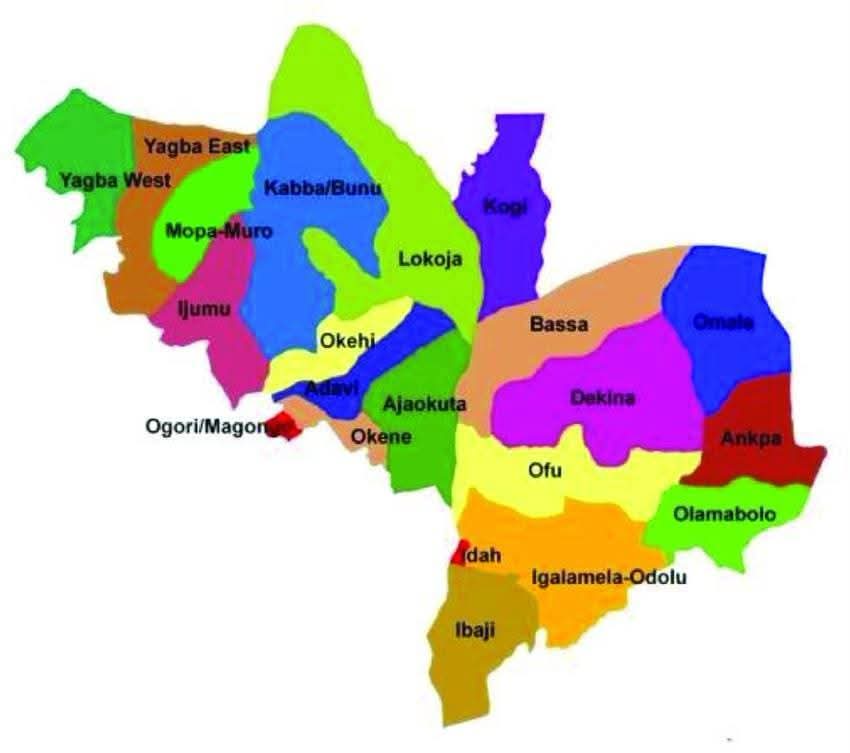
At the heart of the debate is Kogi West’s aspiration to produce an elected governor, against arguments that the district should wait until 2031 and allow Governor Ahmed Usman Ododo to pursue a second term.
Both positions deserve to be discussed within the framework of democracy, constitutional rights and the interests of the people.
A Question Of Political Equity
Since the creation of Kogi State in 1991, Kogi West has not produced an elected governor.
For stakeholders advocating rotation and equity, this historical reality remains significant.
They argue that waiting until 2031 would mean that the district has gone four decades without producing an elected governor.
Those advocating patience may have their own political reasons and calculations, but such an arrangement should not be treated as an unquestionable consensus.
The Incumbent’s Right To Contest
Governor Ododo is constitutionally entitled to seek a second term if he chooses to do so and meets the relevant requirements.
His supporters are equally entitled to campaign for his re-election.
However, the right to seek re-election does not extinguish the aspirations of other political actors or regions.
Kogi West stakeholders are therefore entitled to make a case for 2027 without necessarily being described as anti-government or destabilising.
What Should Citizens Examine?
Beyond zoning and political rotation, voters should examine the record of government.
Has the state improved in healthcare?
What progress has been made in education?
Are roads and water infrastructure improving?
How effectively are public resources being managed?
What has been done to create employment and expand economic opportunities?
How secure do citizens feel?
What is the condition of the civil service and other public institutions?
These are questions that can help move the debate from slogans to measurable governance outcomes.
The Importance Of Dialogue
The issue of political succession should not become a source of division among the people of Kogi State.
Instead, political leaders and stakeholders can engage in dialogue about equity, representation, performance and the interests of the state.
Such dialogue should involve the different local government areas and communities that make up Kogi West and the wider state.
No single political actor can reasonably claim ownership of the collective voice of millions of citizens.
The Ballot Is The Final Arena
The 2027 governorship election should ultimately provide an opportunity for competing candidates and political platforms to present their records, ideas and programmes.
Governor Ododo can campaign on the achievements of his administration.
Kogi West aspirants can campaign on the argument for equity and political rotation.
Other candidates can present alternative visions for the state.
The electorate will then make its choice.
The important thing is to ensure that the conversation remains peaceful, factual and democratic.
The issue is not whether Kogi West should be permanently opposed to any particular candidate.
It is whether the district should be allowed to make its case for 2027.
One Kogi State should mean one state where every senatorial district can aspire, compete and participate in determining the state’s political future.