
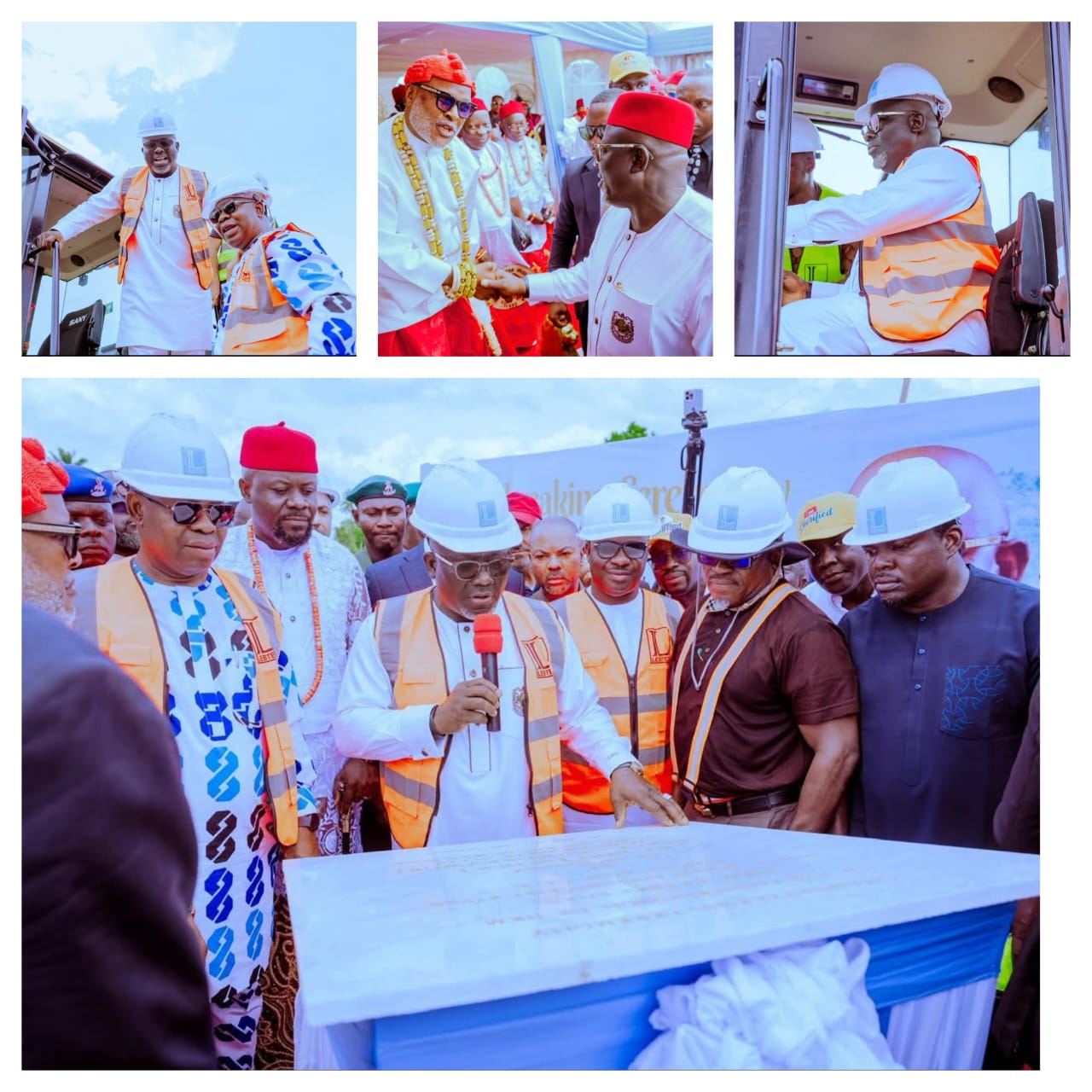
Ndokwa/Ukwuani Federal Constituency Gets Lifeline as Oborevwori Flags Off N29.8b Aboh–Akarai Road Project
By Fred Latimore Oghenesivbe, Esq.
The flag-off of the N29.8 billion Aboh–Akarai Road and Bridge project by Sheriff Oborevwori marks a major step forward for communities in the Ndokwa/Ukwuani Federal Constituency of Delta State.
The constituency, represented in the House of Representatives by Hon Nnamdi Ezechi, covers Ndokwa East, Ndokwa West, and Ukwuani local government areas. Despite being rich in oil and gas resources, many communities have long faced serious infrastructure challenges, particularly poor road access.
The 11-kilometre road will link Aboh to Akarai through several communities. Because of the swampy terrain, the government has opted for reinforced concrete instead of asphalt to ensure durability. The project will also include drainage systems, culverts, and a 140-metre bridge across the Okiri River.
Importantly, the road is designed to remain usable even during heavy flooding, drawing lessons from the 2012 Nigeria floods. Beyond engineering, the project speaks directly to the politics of access and inclusion.
For years, difficult terrain has limited economic opportunities and government presence in parts of Ndokwa/Ukwuani. By taking infrastructure into these areas, the Oborevwori administration is not only addressing development gaps but also reshaping political engagement at the grassroots.
For the All Progressives Congress, the implications are significant. Infrastructure remains one of the most visible measures of governance in Nigeria. A completed road in Ndokwa/Ukwuani would provide tangible proof of performance, something voters can see, use, and directly benefit from, while strengthening confidence in both state and federal representation.
According to Governor Oborevwori, the project reflects his administration’s commitment to ensuring that no part of the state is left behind. He noted that the decision to construct the road was influenced by reports from the Deputy Governor, Sir Monday Onyeme, who experienced firsthand the difficulty of accessing the area.
The expected impact is far-reaching. Improved road access will ease the movement of goods and people, support farmers in getting produce to market, attract investment, and create jobs. It will also enhance access to schools and healthcare, strengthening the social and economic fabric of the constituency.
With 40 percent of the project cost already released to the contractor and a 12-month completion timeline set, attention now shifts to execution. In Nigeria’s political environment, delivery is everything. Projects of this scale can either reinforce public trust or deepen skepticism, depending on outcomes.
It’s a well known fact that this administration has delivered, and will continue to deliver durable and quality mega infrastructure projects. The stakes are therefore both developmental and political.
By prioritizing a historically underserved but strategically important constituency, Governor Oborevwori is aligning governance with political reality demonstrating that visibility, presence, and delivery remain central to building electoral support.
The Aboh–Akarai road project stands as more than infrastructure. It is a timely performance, reinforced credibility, and the enduring influence of development in shaping people’s confidence in this administration beyond 2027.
Fred Latimore Oghenesivbe, Esq is the Director General, Delta State Bureau for Orientation and Communications, Governor’s Office Asaba.