

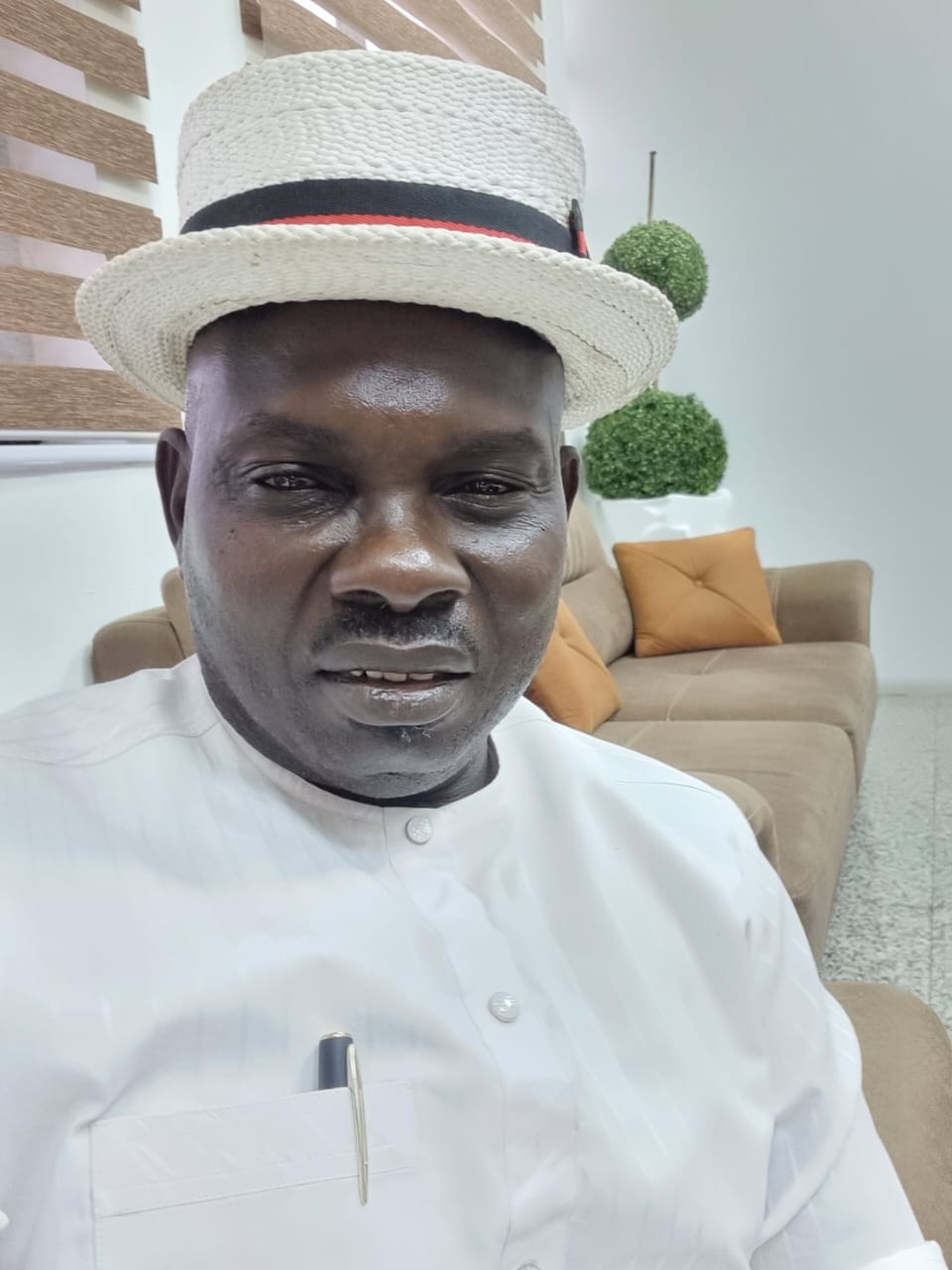
Urhobo State Creation Committee Official Defends Process, Faults Senator Dafinone’s Criticism
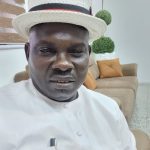
Chief Mathias Efe Olowu, Deputy Secretary and Deputy Director of Media and Publicity of the Urhobo State Creation Committee (Ethiope State Proposal), has defended the committee’s handling of the campaign for the creation of a proposed Ethiope State, describing recent criticisms by Senator Ede Dafinone as inaccurate and unconstructive.
In a statement titled “Ede: When a Senator Chooses to Dance Naked, the Public Has No Choice but to Clap,” Olowu said the senator’s comments had made it necessary to present what he described as the facts surrounding the committee’s work.
According to him, while public debate is essential in a democracy, such discussions should be based on facts, consistency and a genuine commitment to the collective interest.
Olowu noted that Senator Dafinone had acknowledged the legitimacy of the agitation for a separate Urhobo state but questioned the senator’s level of involvement in advancing the initiative.
He argued that state creation is a gradual constitutional process that evolves through consultations and refinements, adding that no successful state creation campaign in Nigeria began with a flawless framework.
Drawing a comparison with the agitation for Anioma State, Olowu said differing opinions among stakeholders did not prevent proponents from pursuing the proposal. He maintained that similar commitment was expected from supporters of the proposed Urhobo State.
Addressing concerns over the proposed state’s name, Olowu rejected claims that the committee ignored objections. He said no formal complaint was presented by Senator Dafinone during the committee’s engagements, adding that the proposal was later renamed “Ethiope State” following recommendations from stakeholders in the diaspora.
On allegations of inadequate consultation, Olowu insisted that the committee engaged extensively with traditional rulers, the Urhobo Progress Union (UPU), political leaders, local government chairmen, members of the Delta State House of Assembly and other community stakeholders.
He said a major stakeholders’ conference held in Ughelli on January 17, 2025, was attended by a broad spectrum of stakeholders, adding that Senator Dafinone was invited but neither attended nor sent a representative.
The committee official also dismissed claims that Delta State Governor Sheriff Oborevwori was excluded from the process. He stated that the committee made efforts to engage the governor through agreed communication channels and maintained that the governor’s office was never sidelined.
Responding to concerns about the composition of the committee, Olowu said the state creation campaign cut across political affiliations and should not be viewed as a partisan project.
He also defended the committee’s initial memorandum submitted for the constitutional amendment process, explaining that such memoranda are typically concise expressions of interest before more detailed technical documentation is prepared.
According to him, the memorandum formed the basis upon which the proposal was presented in the House of Representatives and progressed beyond the initial stage. He added that the committee subsequently addressed issues relating to boundaries, economic viability and administrative structure.
Olowu further argued that constructive criticism should strengthen, rather than undermine, a collective aspiration. He maintained that members of the committee had devoted significant personal time and resources to advancing the state creation campaign and expected greater support from elected representatives.
He also questioned Senator Dafinone’s level of public advocacy on other issues affecting the Urhobo people, including the ongoing Warri delineation exercise.
Concluding the statement, Olowu said public office comes with accountability and that public officials who criticise others should also be prepared to have their own actions scrutinised.
He expressed confidence that history would remember those who actively supported the aspirations of the Urhobo people through commitment and leadership.